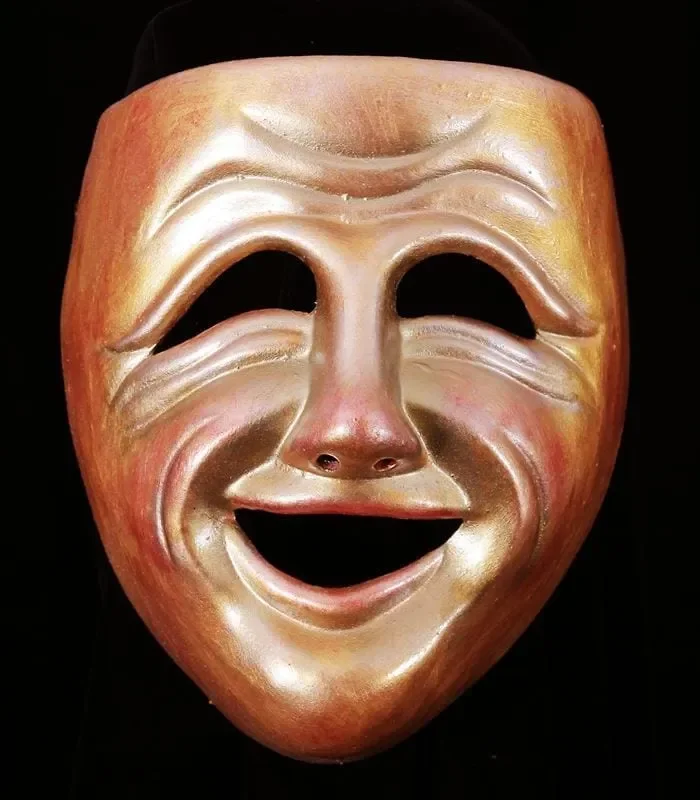
suffer in a good way
what “suffering” really means
A number of years ago I had a wonderful acting teacher (Hi Dennis!) who used to tell me to “suffer in a good way” or, sometimes “suffer for your art”. I know, who wants to hear more about suffering, starving artists? Don’t we have enough suffering right now? Isn’t that why I’m part of a union, so I can suffer less for my art? (Yes.) And what the hell is the “good” way to suffer?
Then, of course, we have the Buddha’s First Noble Truth, perhaps the most foundational - or at least famous - teaching in all of Buddhism, that states that Life Is Suffering.
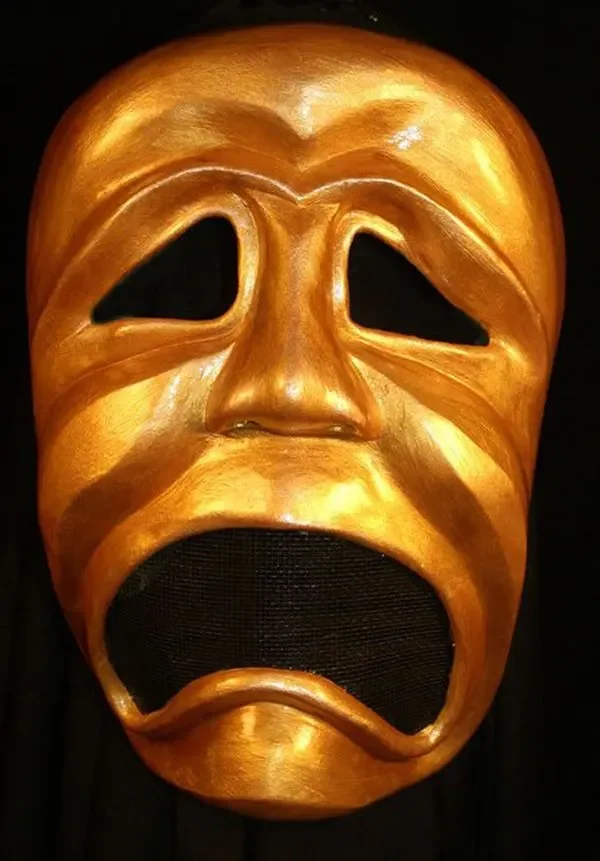
Yeesh! In the last post we had Abandon all hope of fruition, now it’s all about suffering? This blog is definitely going viral soon.
But I promise it’s not all that bad. If we skip ahead to the Third Noble Truth, we learn that suffering can end. And even the word “suffering” itself might not mean quite what we think it does.
So what Dennis meant was that when we are onstage, we suffer - as the character. Whatever the character is going through, we go through, and plays are generally about conflict or difficulty, descents into the depths, grief, loss, love, taking risks, making sacrifices, the worst of us, the best of us. And those are the comedies!
The big stuff of life is there on stage, and it’s our job to portray it, to live it. To suffer through it. This suffering is good - it’s what we’re there to do. If we’re not going through it, if we’re phoning it in, if we’re just pretending, not touching into our own humanity - that’s, as Dennis would say, when we’re having a real problem.
As the Buddhist teacher and author Sharon Salzberg puts it, “Our suffering is not some kind of punishment, it is a reminder that we are not alone. It is what connects us with everyone else.” For many of us, this kind of suffering may be what got us into the theater in the first place.
Now to be clear, this “suffering” is not exactly what the Buddha meant when he talked about suffering. This “suffering in a good way” is more like the pain of life. The (vivid) metaphor is given that the slings and arrows of being human are just that - an arrow piercing us in the eyeball. Delightful! The arrows, the pain of being human does not stop coming as long as we are incarnate on this earth - or at least, it comes and goes as our experiences do. Put simply, we will not meditate our way out of our feelings.
But - the suffering that can cease is everything we put on top of that. The word that gets translated as “suffering” might instead mean dissatisfaction, stress, or even misalignment. Like when you get the cart at Target that has the busted wheel and you spend the whole time veering to one side and fighting with it. Life feels like that sometimes, doesn’t it? All of our stuff about how things should be different, the ways we cling to positive experiences and push away what we don’t like, all the neuroses and the habits we have to avoid feeling what we’re really feeling - all of that is like a second arrow piercing our eyeball, and that is the suffering that can cease.
When Dennis talked about suffering in a bad way, he meant something similar. Our anxiety, our resistance, our not really wanting to get inside the character because who wants to feel those things, our wishing we were playing a bigger part, our wondering if the critics are here tonight and what are they thinking, our deciding everything in advance in our heads and then trying to recreate that every time and not being able to - there are a million ways to suffer in a bad way. (This isn’t even touching the offstage suffering of dealing with The Biz.)
I’d be there in class, stuck full of stage fright and hesitating to start the scene because I didn’t want it to be bad, and he’d call out, “If you’re going to suffer, suffer in a good way!” As in, jump in, get in, feel the pain of life - stop adding all your anxiety on top because that kind of suffering doesn’t make art, doesn’t do anybody any good.
When we spend time in meditation, we get to know ourselves, our own particular brand of making ourselves (and maybe others) suffer. I’m pretty familiar by now with the stories my anxious brain tells me. It still often feels like I might die before I step onstage, but I’ve learned to ride the energy instead of blocking it, and I’ve gotten more comfortable with stepping out into groundlessness.
What we do as actors is vulnerable enough. What we do is painful, joyful, funny, tragic, human enough. We may be the only people who choose to live and relive the most heart-wrenching human stories so others can watch. But the wild truth is that stepping onstage, the first arrow planting itself firmly in your eye, the audience right there with you, isn’t actually suffering at all.